Truck Dispatchers: The Real MVPs of the Trucking Industry
The trucking and logistics industry runs on tight schedules, nonstop communication, and smart coordination and right at the center of it all is the truck dispatcher. Often overlooked, dispatchers are the real MVPs who keep freight moving, drivers supported, and customers satisfied.
Let’s break down what truck dispatchers actually do and why they’re essential to successful trucking operations across the U.S.
The Backbone of Trucking & Logistics
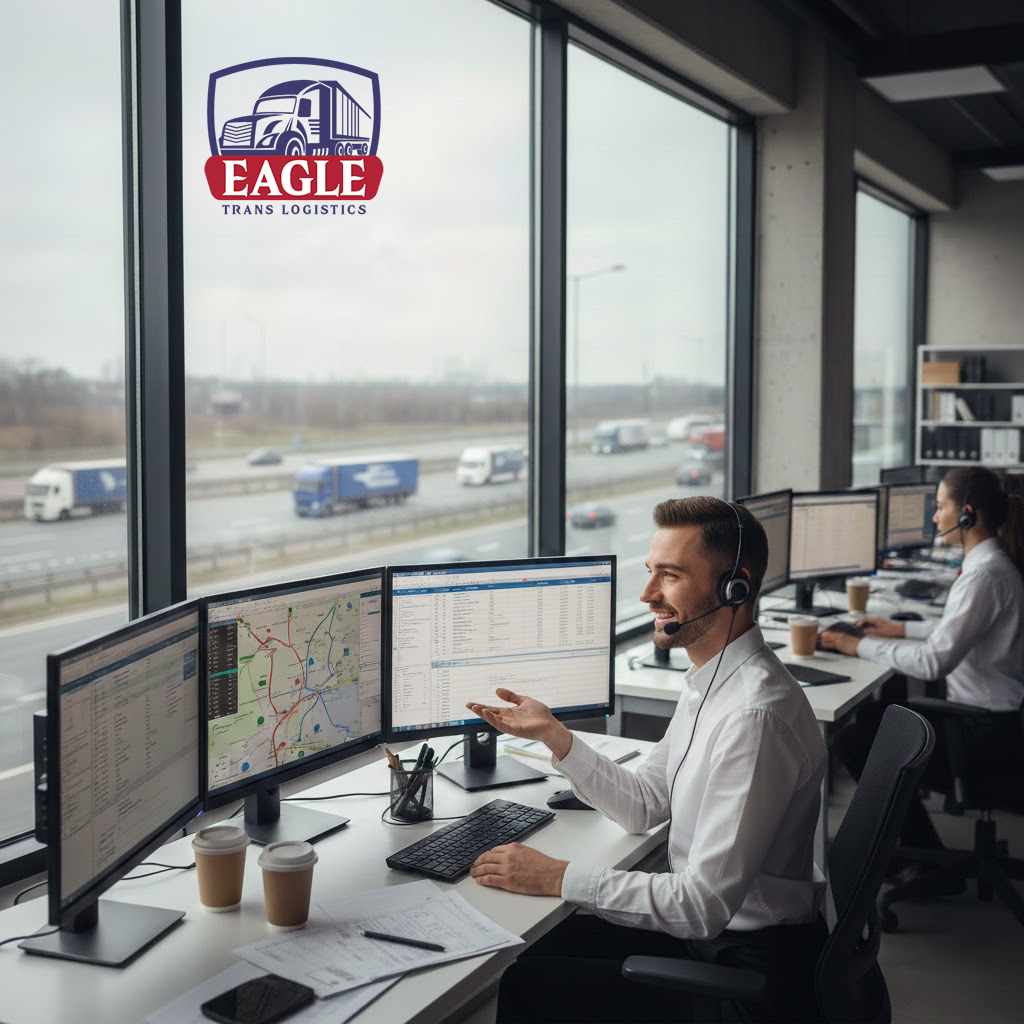
Truck dispatchers act as the command center of any trucking company. They coordinate drivers, loads, routes, and schedules to make sure freight gets delivered on time and without headaches. For companies using platforms like Truckbase, dispatchers are key to keeping operations smooth, efficient, and profitable.
Without dispatchers calling the shots, trucking would be chaos missed loads, late deliveries, and unhappy customers.
Core Responsibilities of a Truck Dispatcher
1- Route Planning & Optimization
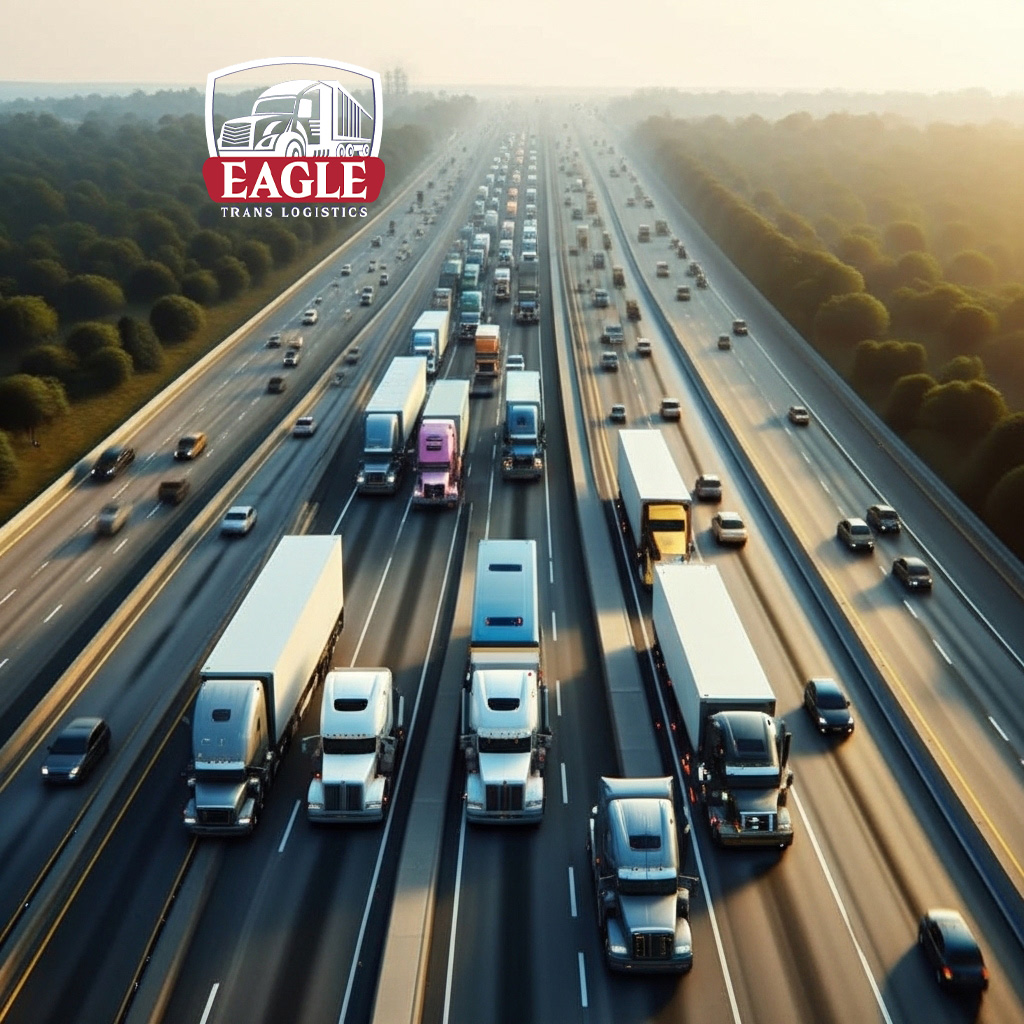
Dispatchers plan the best possible routes by factoring in traffic, weather, fuel efficiency, and delivery deadlines. The goal? Save time, cut costs, and avoid delays.
2- Driver Communication
They stay in constant contact with drivers, sharing route updates, pickup details, and last-minute changes. Clear communication keeps drivers confident and stress levels low.
3- Load Coordination
From booking freight to managing pickup and delivery times, dispatchers make sure every load is handled correctly—with the right paperwork and instructions.
4- Compliance & Safety
Dispatchers track Hours of Service (HOS), rest breaks, and DOT regulations to keep drivers legal and safe on the road.
5- Problem Solving on the Fly
Breakdowns, traffic jams, weather issues—dispatchers handle it all. When things go sideways, they pivot fast to keep freight moving.
The Modern, Tech-Savvy Dispatcher
Today’s dispatchers aren’t just on the phone—they’re plugged into powerful software that streamlines everything.
Platforms like Truckbase give dispatchers tools to automate dispatching, invoicing, payroll, and reporting – saving time and reducing mistakes.
Must-Have Tech Tools
- Transportation Management Systems (TMS) for load tracking and route planning
- GPS & Real-Time Tracking to monitor trucks and update customers
- Mobile Apps & Messaging Platforms for instant driver communication
Being comfortable with tech is no longer optional—it’s a must.
Challenges and Why the Job Is Worth It
Let’s be real: truck dispatching can be stressful. It takes serious multitasking skills, attention to detail, and the ability to stay calm under pressure.
But it’s also incredibly rewarding. Dispatchers are the glue that holds trucking operations together. When loads deliver on time and drivers get home safely, dispatchers made that happen.
If you thrive in fast-paced environments and love solving problems, dispatching can be a solid and fulfilling career.
The Future of Truck Dispatching
The future looks bright. AI, machine learning, and predictive analytics are changing the game—helping dispatchers optimize routes, forecast delays, and make smarter decisions faster.
As technology evolves, dispatchers won’t disappear they’ll become even more valuable.
Final Thoughts
Truck dispatchers are the unsung heroes of trucking and logistics. They combine communication skills, tech know-how, and quick thinking to keep freight rolling across America.
Behind every successful trucking company is a dispatcher making sure every mile counts.